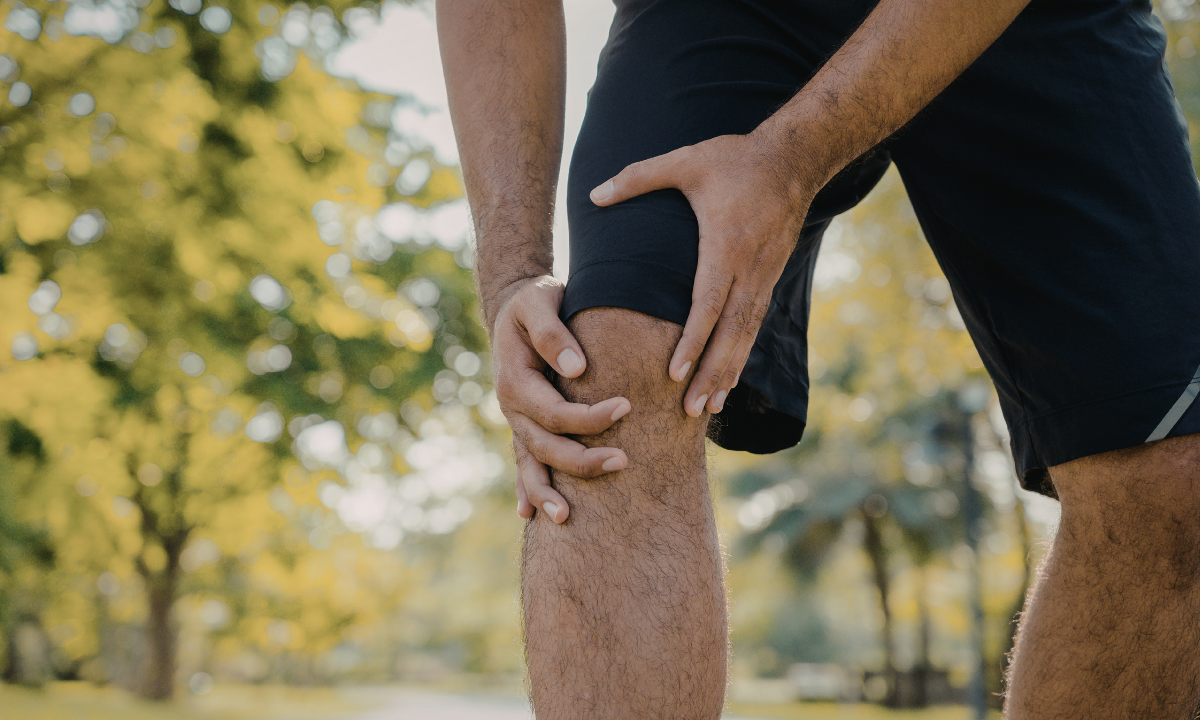
In Ayurveda, osteoarthritis belongs to the Vata disorders of the musculoskeletal system, which are referred to as sandhi-gata-vata. This includes all joints, bones, cartilage, tendons, muscles, bursae, ligaments and nerves. Whether it is osteoarthritis in the knee joint, shoulder, spine or finger and toe joints, what is important is the reduction of Vata.
The Most Important at a Glance
- Osteoarthritis is a Vata disorder of the musculoskeletal system.
- It is important to reduce Vata through diet and behavior.
- Oil massages are a central treatment method.
- Internally, Ghee and herbs such as Ashwagandha and Yogaraja Guggul help.
- Stress reduction and warmth support the healing process.
Treatment of Osteoarthritis in Ayurveda
In treatment, snehana, the anointing with oil, is paramount. Oils actively reduce Vata, warm and nourish the tissues. Depending on the symptoms, there are various recommendations:
- For minor complaints: regular massage with sesame oil
- For severe pain: Lakshadi Enna
- The classic oil for osteoarthritis: Narayana or Maha-Narayana Thailam
Before application, the oils are warmed in a water bath to approximately 35° C. Massage the oil in circular motions around the joint and stroke outward over the limbs and body. After the massage, wrap in a large cloth and rest for 20 minutes. After a full body massage, excess oil can be washed off under lukewarm water without soap. Smaller oil applications remain on the skin.
Internal Use Against Osteoarthritis
For internal use, oils and fats are recommended. When cooking, Ghee, the clarified butter fat, should be used. For therapeutic intake, Ayurvedic medicine recommends Panchatikta-Gritham – medicated Ghee with 5 bitter herbs. Take 10-20 ml of this twice daily in liquid form and drink plenty of warm water, preferably with ginger, afterwards.
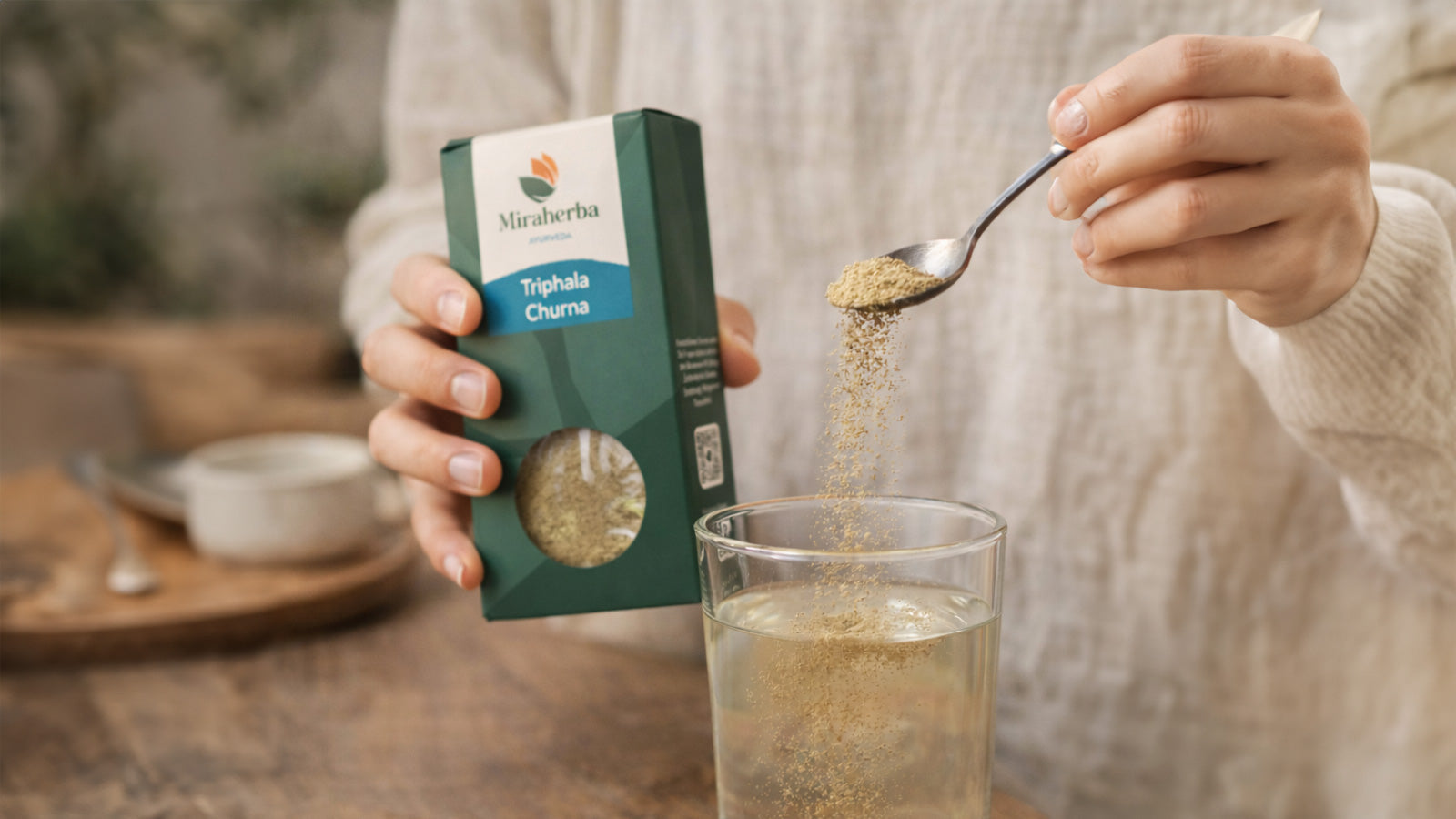
Proven herbs for internal intake are Ashwagandha and Yogaraja Guggul, which you can take daily under the guidance of your Ayurvedic practitioner.
Very good results for osteoarthritis and comparable pain in bones and joints are achieved with the so-called lepas. These are poultices and compresses with resins and herbs. Here, the application of guggulu-lepa is described as an example. Guggul is the Sanskrit term for myrrh resin, which is used for osteoarthritis because of its anti-inflammatory and pain-relieving properties.
Treatment Example Knee Joint Osteoarthritis
What You Need
- 1 tablespoon Guggul
- 1 teaspoon Ghee
- 1-2 teaspoon water
Step by Step
- Simmer water in a pot and place a small glass bowl inside.
- Add Guggul, Ghee and water to the glass bowl.
- Melt everything while stirring.
- Distribute the mixture warm either directly on the knee joint or apply it to a compress and place it on the joint.
- Secure with a large piece of Fixomull or a bandage.
- The lepa can remain on the knee for up to 2 days.
It is advisable to apply once 2x per week over a period of 2 months. If myrrh resin is used, redness of the skin and possibly itching may occur. This reaction disappears shortly after application and after applying Ghee.
Other Factors for the Healing Process
Avoid stress, physical and mental overexertion, cold and wind. Warmth, oil massages, warm steam baths (Swedana), physiotherapy and suitable yoga practice have soothing effects.
Overview of Vata-Reducing Foods
Normally, Agni – the digestive fire – is not stable in Vata constitutions and diseases (visamagni). Therefore, food should not be difficult to digest.
General Dietary Recommendations for Elevated Vata
|
Vata-reducing |
Vata-aggravating |
|
|
Effect of Common Foods on Vata-Dosha
|
Vata-reducing |
usable in moderation |
Vata-increasing |
|
Grains |
||
|
|
|
|
Legumes |
||
|
|
|
|
Dairy Products |
||
|
|
|
|
Sweeteners |
||
|
||
|
Oils |
||
|
|
|
|
Vegetables |
||
|
|
|
|
Fruit |
||
|
|
|
|
Nuts and Seeds |
||
|
|
|
|
Spices |
||
|
||
|
Beverages |
||
|
|
|
|
Delicacies |
||
|
|
|
Conclusion
The treatment of osteoarthritis in Ayurveda focuses on reducing Vata through targeted oil massages, dietary changes and the use of herbs. Stress avoidance and warmth are equally essential for the healing process. A balanced diet that reduces Vata supports this process sustainably.