Did you know that 73 million cups of coffee are consumed daily in Germany alone? Besides the popular hot beverage made from Coffea arabica beans, there are other stimulating coffee alternatives that are rich in antioxidants, vitamins and – of course – caffeine. Pour yourself a cup and join us on an exciting journey of discovery through the plant diversity of the Amazon. In this article, you'll learn more about the coffee alternatives Mate, Guayusa, Lapacho, Catuaba, Guaraná and the active ingredient caffeine.
The essentials at a glance
- Mate is a well-known South American coffee alternative with metabolism-stimulating effects.
- Guayusa is traditionally used in the Amazon region and promotes clear thinking.
- Catuaba and Lapacho are bark teas with invigorating and cell-protective properties.
- Guaraná has a high caffeine content and is used in energy drinks.
- Caffeine is found in many foods and has a stimulating effect on circulation.
Mate – the most well-known coffee alternative
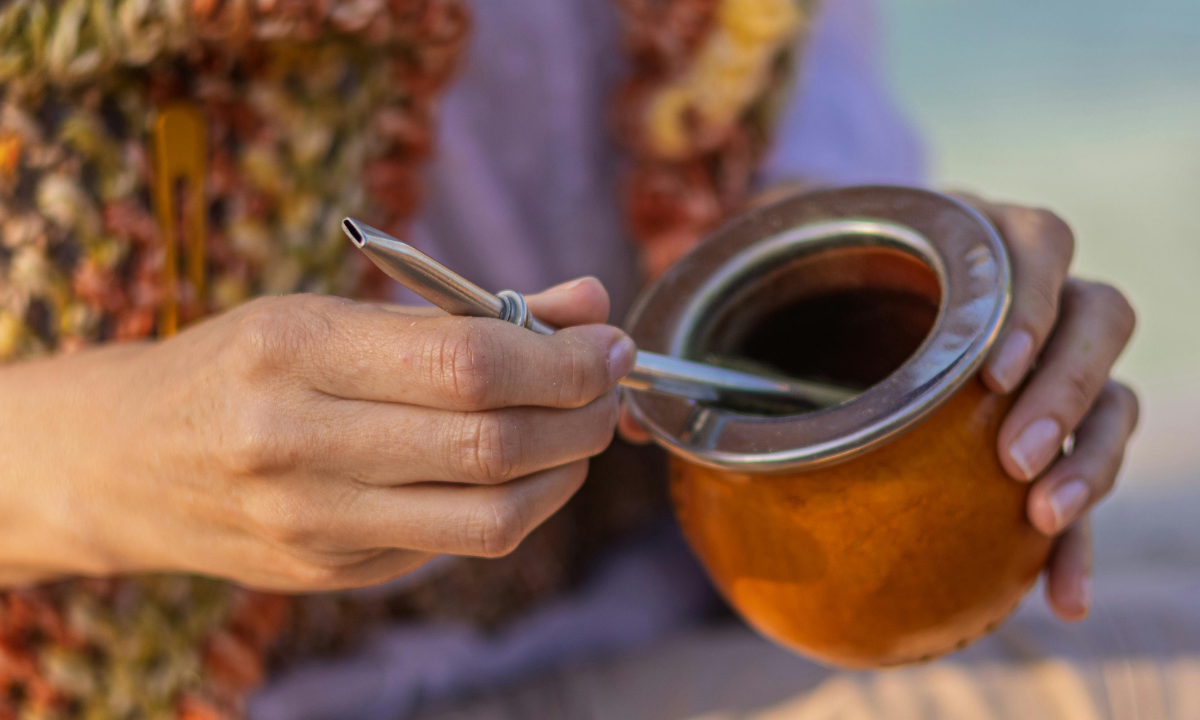
Mate, botanically Ilex paraguariensis, is a South American tea herb that was already known in German households 50 years ago as a refreshing summer tea. Mate is renowned for its metabolism-stimulating and satiating effects. In addition to caffeine, Mate contains theobromine, essential oils, tannins and chlorophyll as well as various vitamins. Compared to Guayusa, its caffeine content is slightly lower.
Guayusa - a better alternative to coffee?
Guayusa as a traditional crop in the Amazon
In the Ecuadorian Amazon region, Guayusa has been used for centuries as an energy source. For the Kichwa peoples, Guayusa has outstanding cultural and mythological significance. It is drunk daily during the traditional morning ritual and is said to enable lucid dreaming. Guayusa and Mate tea are "hunting herbs" that provide clear vision during hunts.
What's in Guayusa?
Guayusa is a true stimulant with a caffeine content of 1.7-1.8%. It is rich in vitamins, amino acids and antioxidants. Theobromine and L-theanine in Guayusa help against stress, reduce hunger and have a relaxing effect. Due to the absence of bitter substances, the tea does not become bitter even with prolonged steeping.
Guayusa producer Kallari Futuro - smallholder cooperative in the Amazon lowlands
Kallari Futuro works with South American smallholder cooperatives that grow their raw materials using sustainable permaculture. The Guayusa tea distributed by Raquel Cayapa grows on fertile soils in its natural ecosystem without chemical fertilizers.
Recipe tip for Guayusa: Delicious tea
Brew 2 teaspoons of Guayusa with 1/2 liter of water, let it steep for 5-10 minutes, then strain and let it cool. Mix the tea with 100-250ml apple juice, some mint and 250ml water, add a splash of lime and BAM! A wonderful energy booster during long work days or walks.
Amazonian coffee alternatives from tree bark: Catuaba and Lapacho
Catuaba: Coffee alternative from Amazon tree bark
Catuaba is the name for trees from the tropical rainforests of Brazil. Catuaba tea is obtained from the bark of Catuaba trees. It serves as an herbal medicine, tonic and aphrodisiac. Catuaba produces a strong reddish tea with anti-inflammatory and cell-protective properties.
How Catuaba tea tastes and works
A study from the Journal of Brain Research 2008 shows promising effects of Anemopaegma mirandum regarding Parkinson's disease. Catuaba is said to be beneficial for depression and nervousness.
Like coffee, you shouldn't overdo it with Catuaba tea either
Some people reported headaches after their first cup of Catuaba tea. For sensitive individuals, long-term and high-dose use should be avoided.
Lapacho – coffee alternative of the Incas
Lapacho (Tabebuia avellanedae Lorentz ex Griseb.) is a bark tea that was already drunk by the Incas. The Lapacho is an evergreen tree with red or violet flowers. The bark of the Lapacho tree contains potassium, calcium, iron and trace elements such as iodine and barium.
Contents and active ingredients of Lapacho tea
The main active ingredient is lapachol. Lapacho tea is used as a remedy for various conditions. For internal use, it is recommended not to overdose it or drink it for longer than six weeks at a time.
Lapacho tea: For bathing in too!
Lapacho tea can also be used for washes and baths. It provides relief from insect bites, herpes and psoriasis.
Recipe: Brewing Lapacho and Catuaba bark tea
To prepare Lapacho and Catuaba, bring 1 liter of water to a boil with 2 teaspoons of bark. Let the tea simmer covered for 5 minutes and then steep for 10-15 minutes. You can drink about 1 liter of this tea per day, but maximum six weeks in a row – then take a 4-week break.
Guaraná - energizing coffee alternative in energy drinks
The bitter-tasting powder of the Guaraná bean is a prized coffee alternative. It increases performance and concentration with up to five times the caffeine content of coffee. Due to the tannins it contains, the body absorbs the caffeine slowly. The daily dose should not exceed 3 grams.
In coffee and coffee alternatives, the stimulant caffeine works – here's what you need to know
Caffeine: What's in coffee and coffee alternatives
Caffeine is found in many foods, including chocolate, coffee, tea and plant-based stimulants such as Guaraná. The alkaloid takes between 30 to 45 minutes to enter the bloodstream. A dose of 100 mg of caffeine has a half-life of approximately four hours.
Why should pregnant and nursing women be careful with caffeine?
In pregnant women, caffeine breakdown slows down drastically. The risk of miscarriage increases with large amounts of caffeine. As a rule, one to two cups of coffee daily are not a problem.
How does caffeine work in the body and why does one eventually become resistant?
Caffeine has a stimulating effect on circulation. The effect becomes weaker with regular use. It is advisable to take a break more often.
And what was theine again?
Theine is chemically identical to caffeine and is found in green, black and white tea. It is absorbed differently because it is bound to polyphenols, which leads to a longer half-life.
Conclusion
The world of coffee alternatives is diverse and offers numerous options for invigorating beverages. Whether Mate, Guayusa, Catuaba, Lapacho or Guaraná – each plant has its own special properties and effects. It's worth trying out these alternatives and enjoying the diversity of nature. However, make sure not to exceed the recommended dose and consult a doctor if you have any doubts.